
Illuminated signs in Toronto
An illuminated sign’s job is simple: keep the business readable after dark. Signbox designs, produces, and installs illuminated signs for Toronto shops, restaurants, and commercial spaces — planned around the building, the brand, and how the name should read at night.
Why illuminated signs matter
After sunset, an unlit name can vanish. The street is still moving — people walking the sidewalk, looking from across the road, or deciding whether to come in — and the shop that still reads is the one they can find.
A well-planned lit sign does three practical things:
- Keeps the name readable when the street is dark
- Holds the same identity in daylight, not only as a night glow
- Fits the building — including an existing cabinet, when that cabinet can stay
Lighting belongs in the plan early, not as a finish applied after the letters are already designed. If a usable cabinet is already on the building, the right answer is sometimes a reface — not a full rebuild. If the opening is new, or the old box can’t be saved, we start from the architecture and the artwork and build what the site needs.
Illuminated sign options
These are the lit formats Signbox works with most often. The right choice depends on the building face, whether a cabinet is already there, landlord rules, power at the location, and how the name should read after dark.
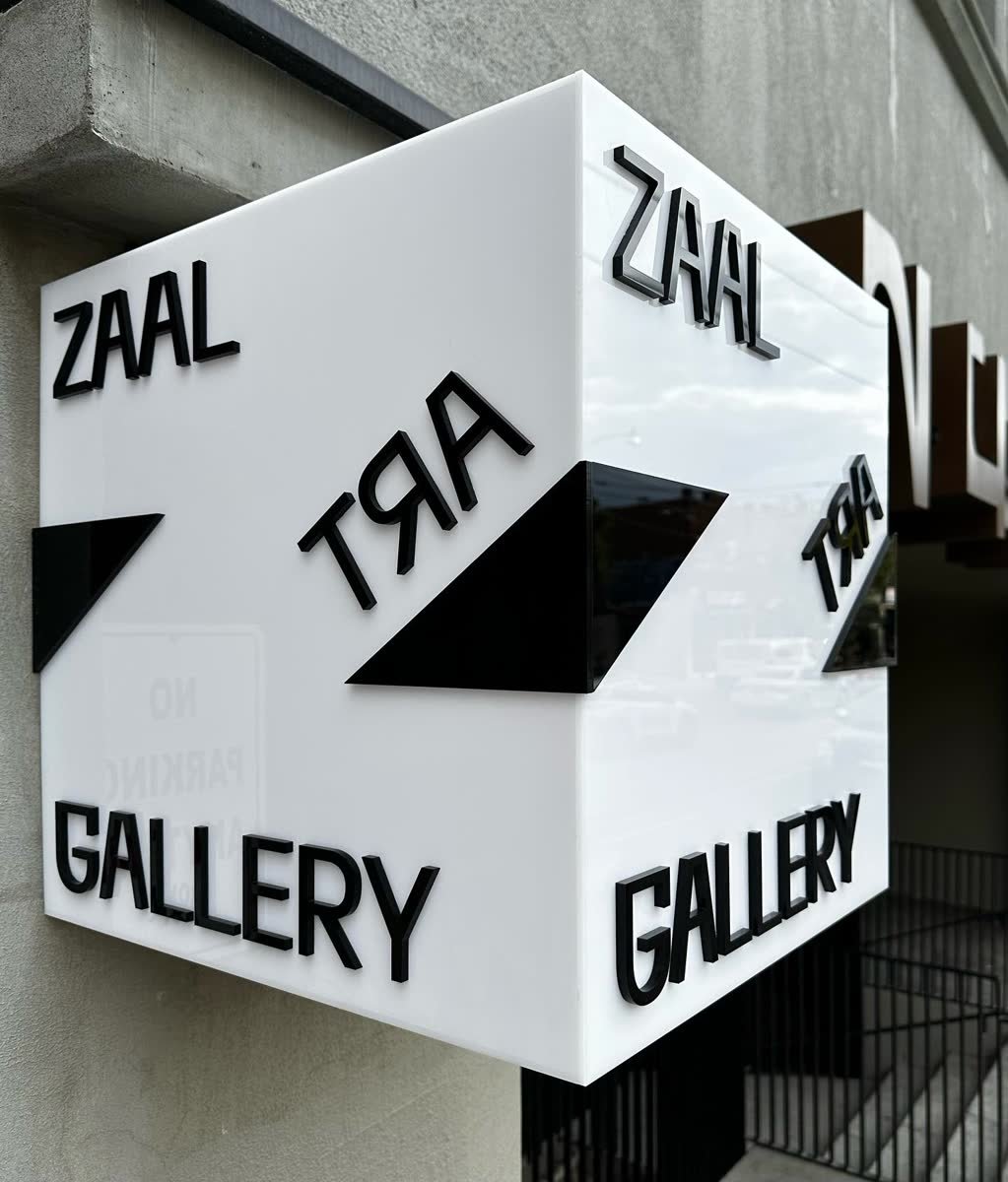
Sign cabinets and lightboxes
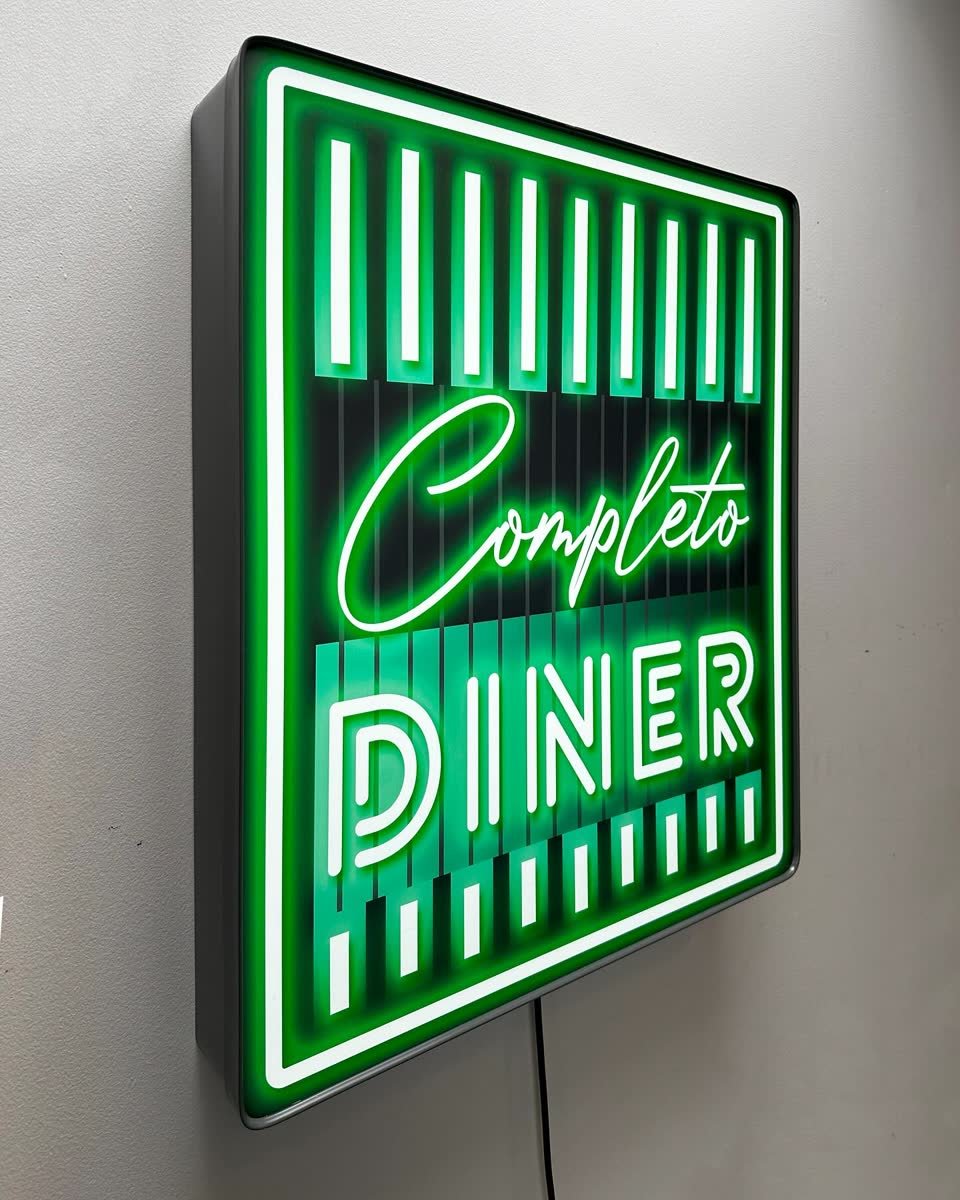
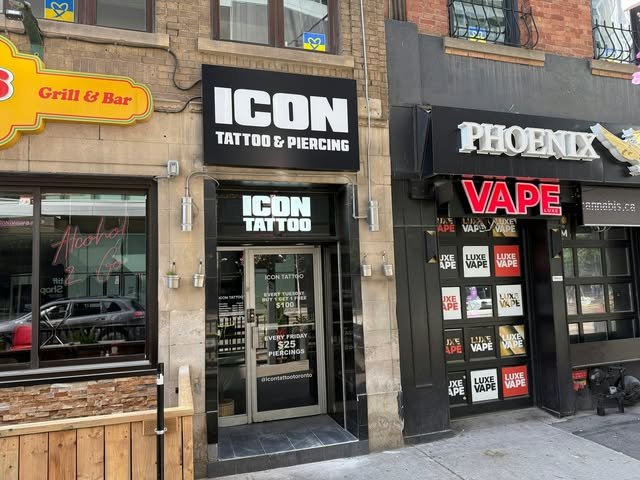
An internally lit box with a face that carries the name and graphics. Common when the logo needs a controlled background, or when a cabinet is already mounted and can take a new face. One published example is the illuminated sign for Icon Tattoo — a lit cabinet on a brick storefront.
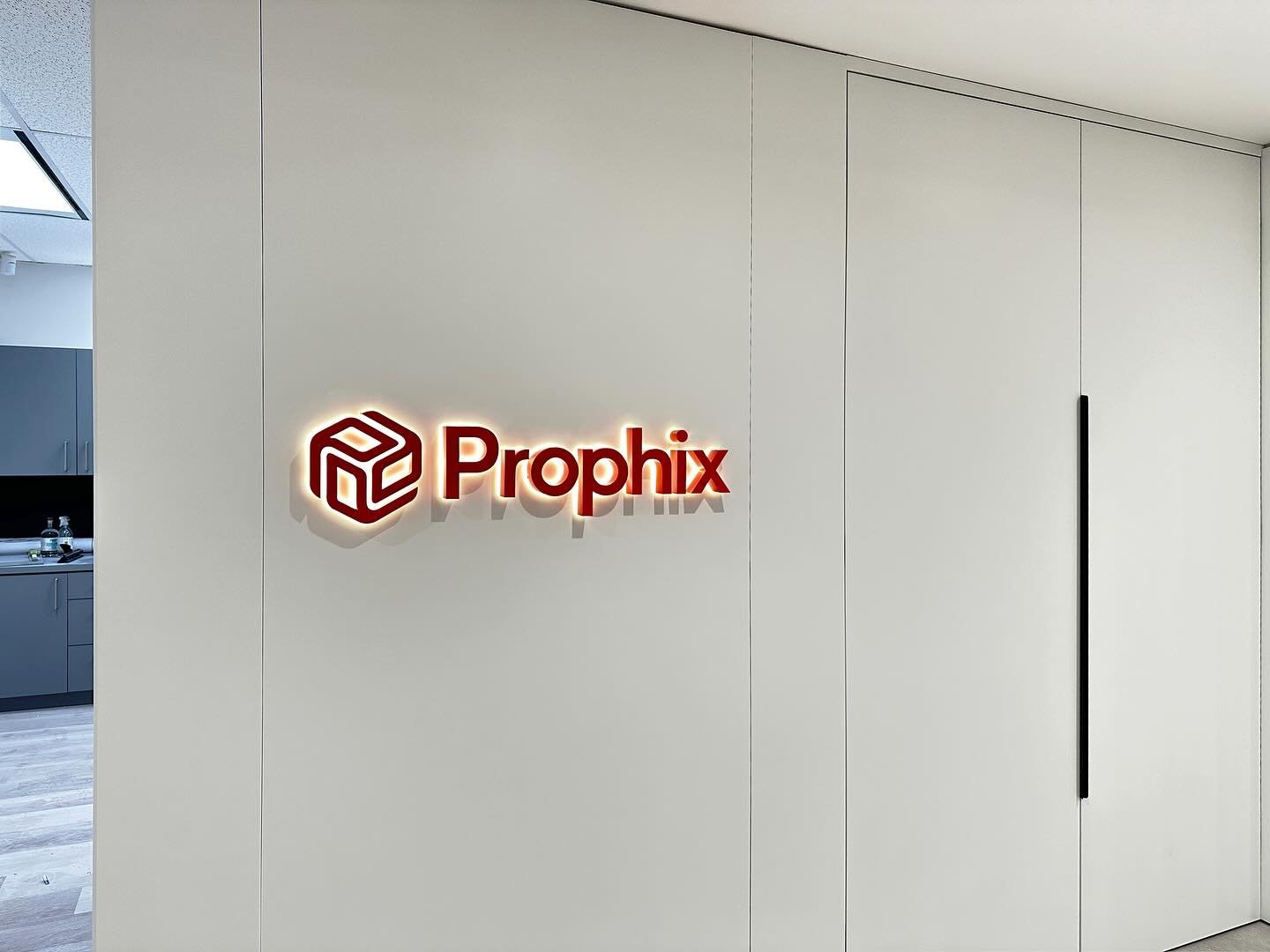
Halo-lit letters
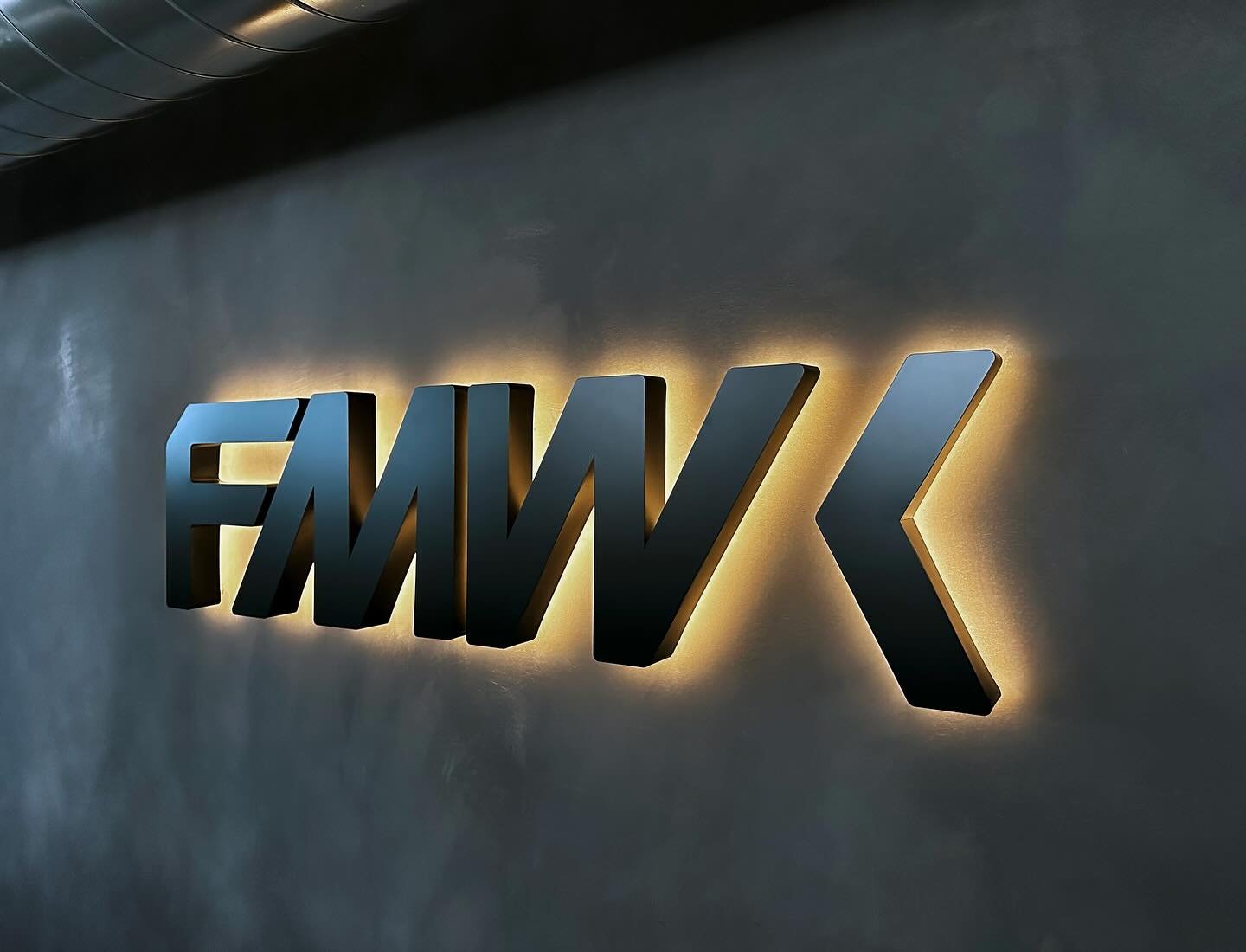
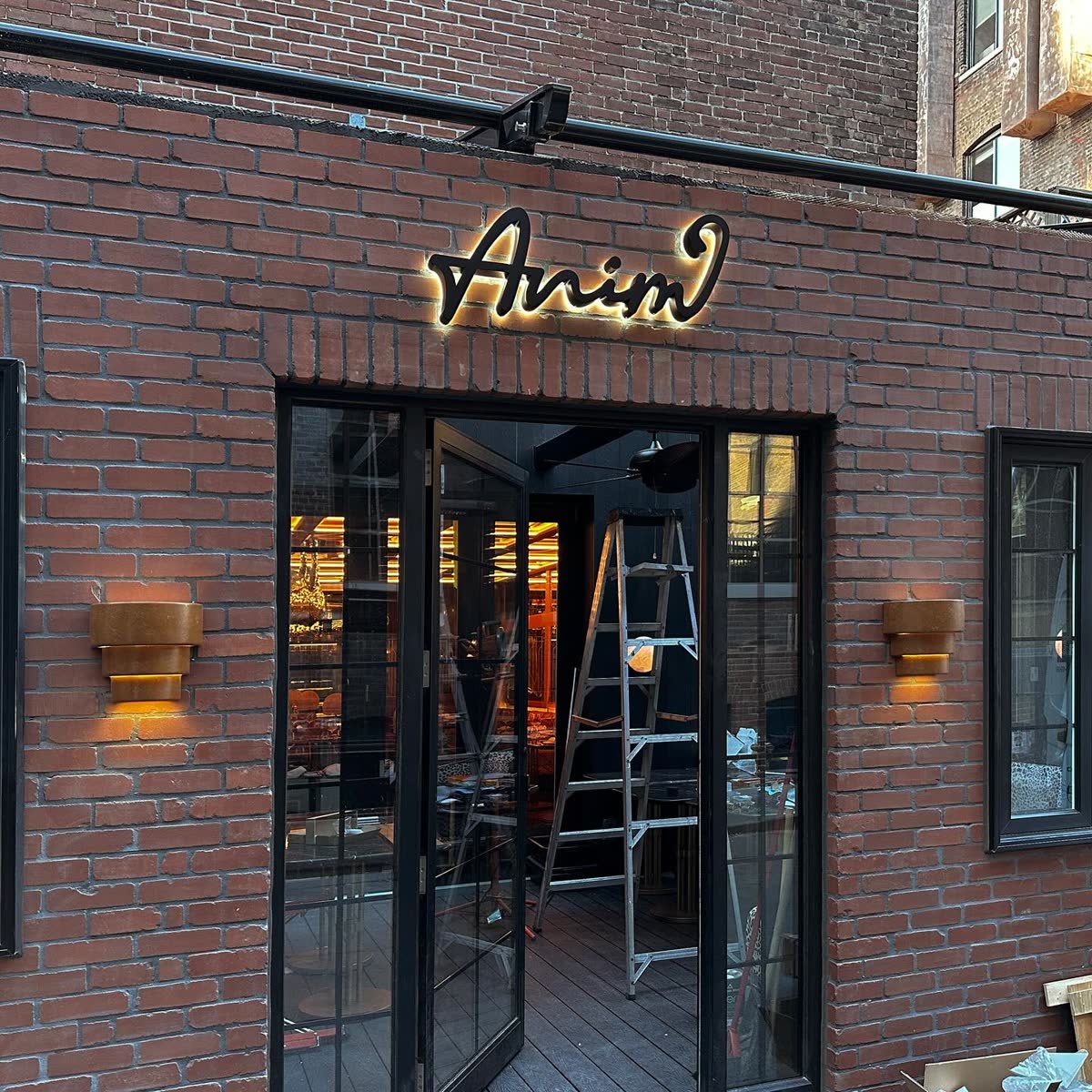
Individual letterforms that wash light onto the wall behind them, so the name reads as a halo around each letter. Used on exterior fascias and on interior walls. The Framework Toronto letters, for example, sit on an interior studio wall — not on a street-facing fascia.
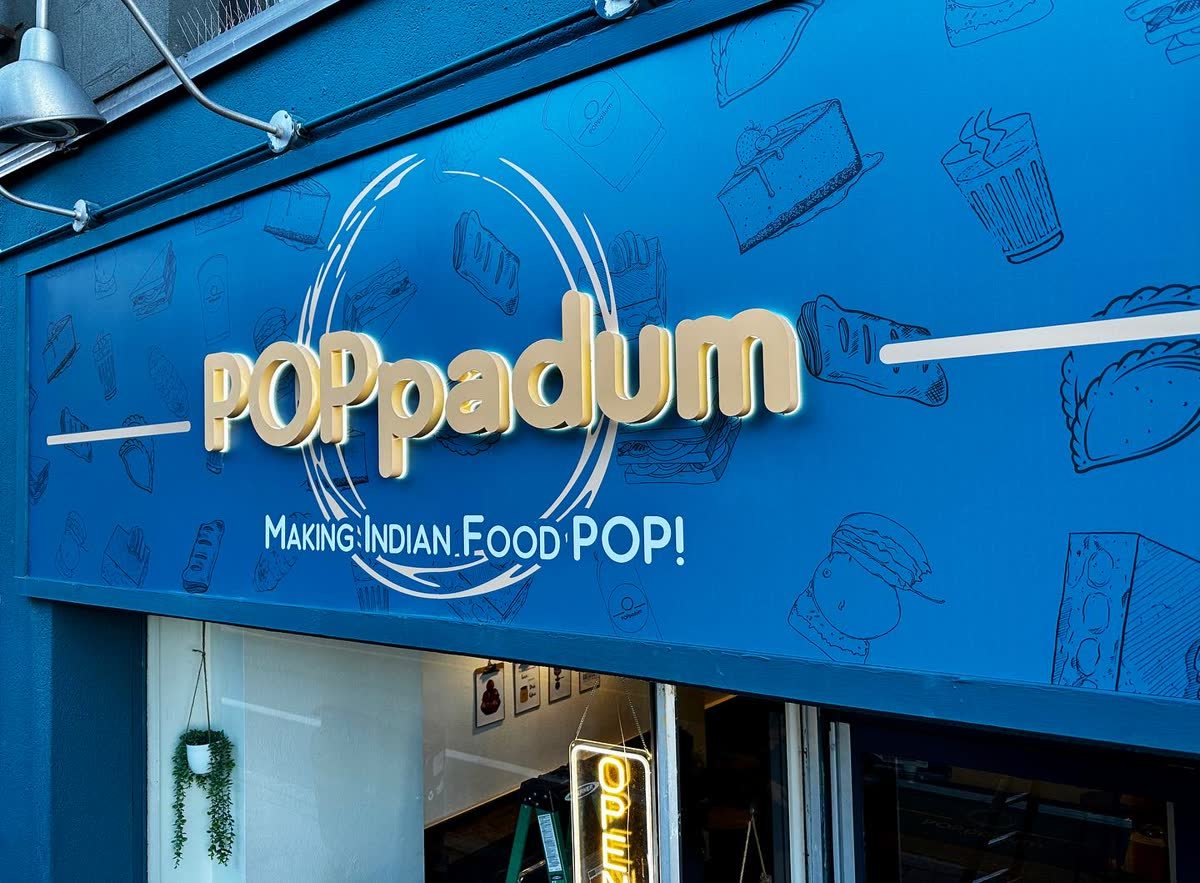
Illuminated dimensional / channel letters
Letters cut and mounted so they stand off the wall, then lit as part of the package. They add depth in daylight and stay readable after dark. Front-lit letterforms glow through the face; halo-lit letterforms light the wall behind. The building and the artwork decide which reads better.
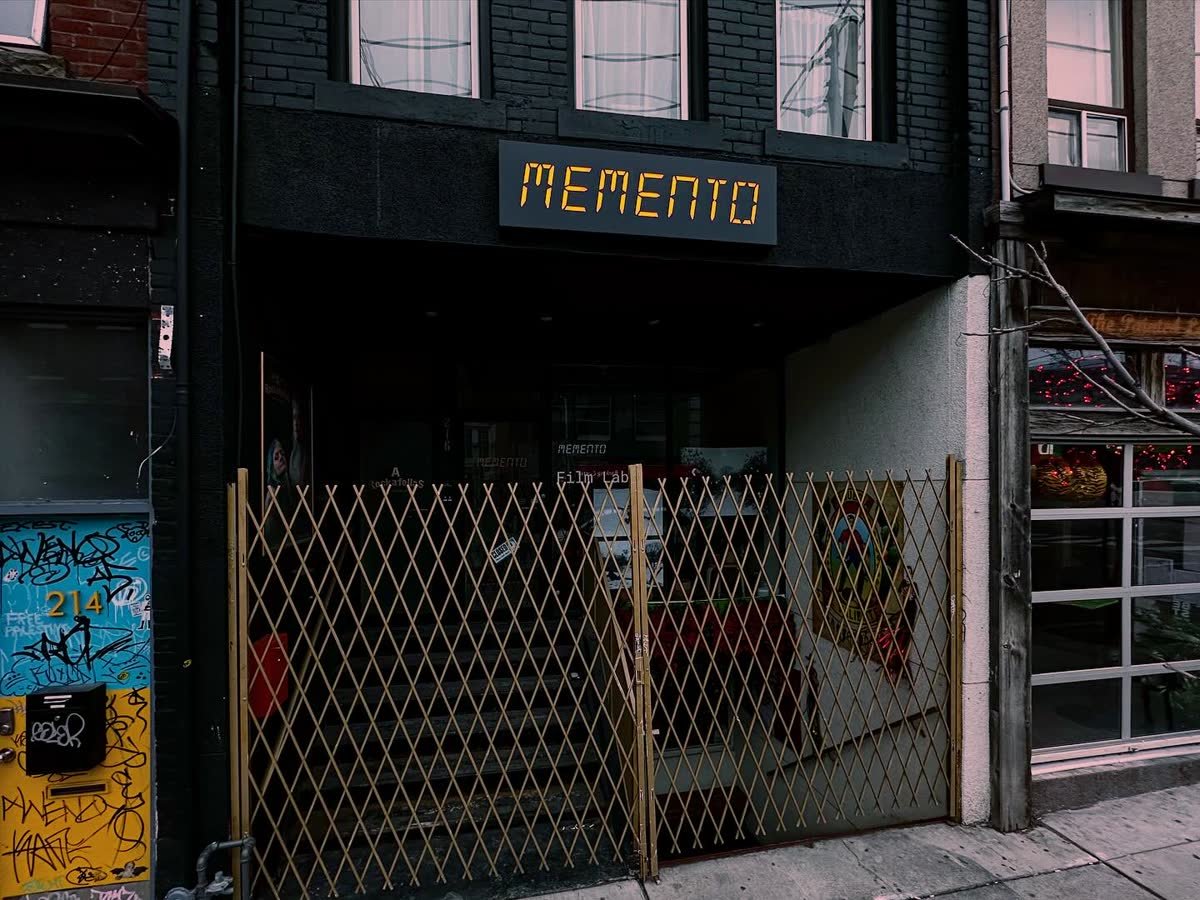
Illuminated storefront or blade work
Lighting is often part of a larger storefront, not a standalone box. A fascia can be lit so the name reads from across the street at night. A blade sign can be lit so it still catches people on the sidewalk after dark. Those pages cover the storefront and projecting formats; this page is about the lighting itself.
New cabinet or reface the existing one?
Not every lit job starts with an empty wall.
Reface when: the existing cabinet or lightbox is structurally sound, sized right for the brand, accepted by the landlord or building, and the lighting can do what you need. You get a new face without paying to rebuild a box that still works.
Replace when: the cabinet is failing, the size or position is wrong for how the street is read, the lighting can’t be brought up to what you need, or the landlord wants a different system entirely.
Send photos of what’s there now — the face, the sides, and how the cabinet sits on the building. A lot of the decision is visible in a clear set of pictures.
Design and site considerations
Good lighting work starts on site, not in a vacuum logo file.
Night and day. A sign that only works after dark is only half a sign. Contrast, letter size, and how the face is finished have to read in daylight too. If you can, send a night photo as well as a day shot — existing light on the street changes what the new sign needs to do.
Power. Whether power is already at the sign location, how the sign will be switched, and what the building can support all shape the build. A shop with a live cabinet is a different starting point from a bare fascia with no feed.
How people see it. Across the street and along the sidewalk are different problems. Placement should match the real approach — including trees, canopies, parked cars, neighbouring signs, and other light on the block.
The building and the landlord. Mounting surface, available depth, and what the landlord will allow all shape the build. A condo retail unit, a main-street shopfront, and an interior studio wall rarely take the same solution.
Brand and artwork. Clean vector artwork helps. If files are rough, we can still start from what you have — finished drawings are not required to begin.
The rest of the storefront. Lighting on the fascia often pairs with a blade so the name still reads from the sidewalk, and with window graphics for hours or secondary copy on the glass. See storefront signs for fascia lettering, panels, and refaces.
Permits
Many permanent exterior signs in Toronto need a city sign permit before install. Signbox offers permit completion as a service — preparing and submitting what’s required so the project isn’t left guessing halfway through production.
Exact requirements depend on the property and the sign type. We’ll tell you when a permit applies to your job and what’s needed from you (for example, owner authorization). For official city information, see the City of Toronto first-party sign permit.
What to send for a quote
A finished specification is not required to start.
Helpful in a first message:
- Photos of the building — straight-on and from the sidewalk or street, day and night if you can
- Project address
- Logo / artwork
- Exact wording for the sign
- Opening date, if there is one
- Whether night readability matters
- Photos of any existing cabinet or lightbox you hope to keep (face, sides, and how it sits on the building)
Email info@signbox.ca, call 519 574 0191, or use the contact form.
Related Signbox services
FAQ
- Do I need a new cabinet, or can you reface what’s already up?
- Often we can reface a sound existing cabinet or lightbox. Photos of the current box — the face, the sides, and how it sits on the building — are the fastest way to tell.
- Do illuminated signs need a permit in Toronto?
- Many permanent exterior signs do. Signbox can complete the permit process as part of the project when it applies.
- When does a sign need to be lit?
- When the street is busy after dark, or the business stays open into the evening. An unlit name can disappear once the shop lights are the only thing still on. If night readability matters, say so when you request a quote.
- What’s the difference between a lightbox and halo-lit letters?
- A cabinet or lightbox is one lit face — the name and graphics sit on the box. Halo-lit letters are individual letterforms; the light washes onto the wall behind them. Which one fits depends on the building, the artwork, and how the name should read at night.
- Can a storefront or blade sign be lit?
- Yes. Lighting can be part of storefront or blade work. If the shop needs to read after dark, that decision belongs in the plan early.
- Do you offer glass neon?
- No. Signbox does not offer glass neon.
- Do you only work in Toronto?
- Toronto is the focus. Outside jobs are considered case by case when they make sense — we don’t advertise other cities as service areas.
- What files do you need?
- Logo files help. Vector artwork is ideal, but you don’t need finished drawings to start. Photos of the building — day and night if you can — matter as much as the logo.
- Where is Signbox?
- 319 Roncesvalles Ave, Toronto. Visits are by appointment only — please request a quote or call to arrange a time.
Send a photo of the building — day and night if you can — and what you have in mind. We’ll help sort reface versus new, cabinet versus letters, and what the site will actually support.