
Window graphics in Toronto
Glass is often where the sidewalk-readable copy lives — the name, hours, or logo on the window. Signbox designs, produces, and installs window graphics for Toronto shops, restaurants, and commercial spaces — planned around the glass, the brand, and how people actually approach the door.
Why window graphics matter on storefronts
On a walkable street, people often meet the shop at the glass first. They come along the sidewalk, glance at the window, and decide whether to stop — before they look up at the fascia or notice a blade from the other direction.
Clear window graphics do three practical things:
- Put the name where sidewalk traffic already looks
- Carry hours, a logo, or secondary copy at the door
- Brand the glass — or add privacy — without waiting on a new fascia
A fascia still names the shop from across the street. A blade names it along the sidewalk. The window is the close read: what someone sees when they are already at the pane. For how the building is named from the street, see storefront signs.
Window graphic options
These are the window formats Signbox works with most often. The right choice depends on the glass, how much of it should stay clear, landlord or brand rules, and whether the vinyl is the whole naming job or part of a larger storefront.
Vinyl lettering
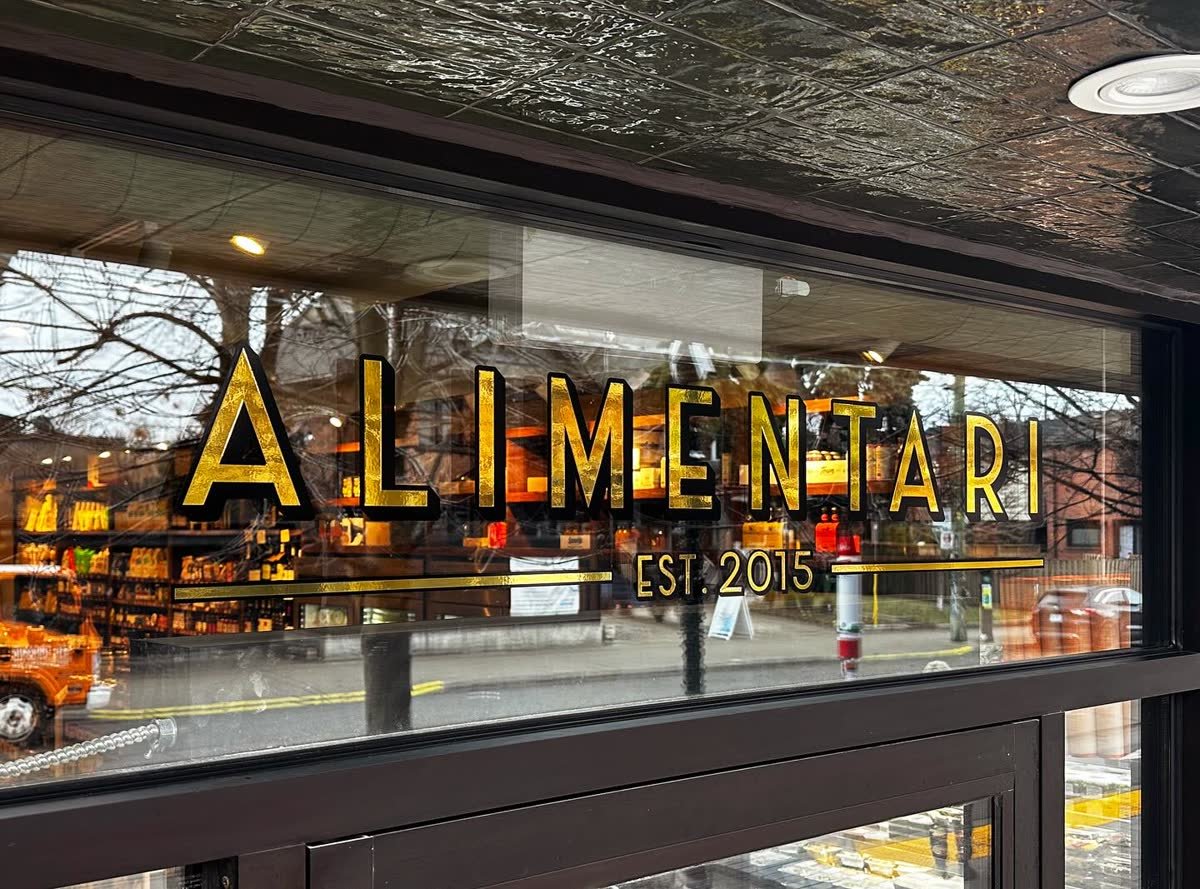
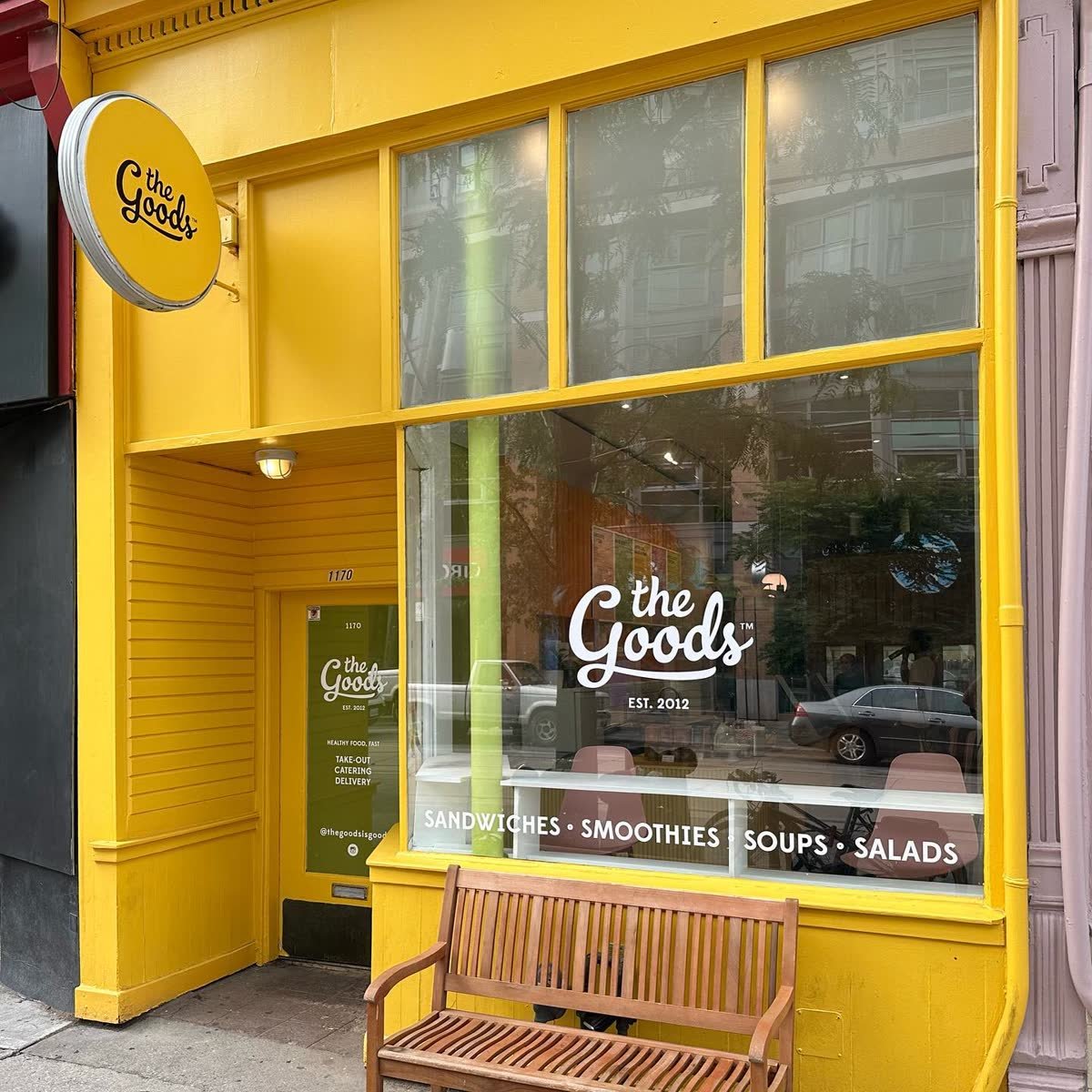
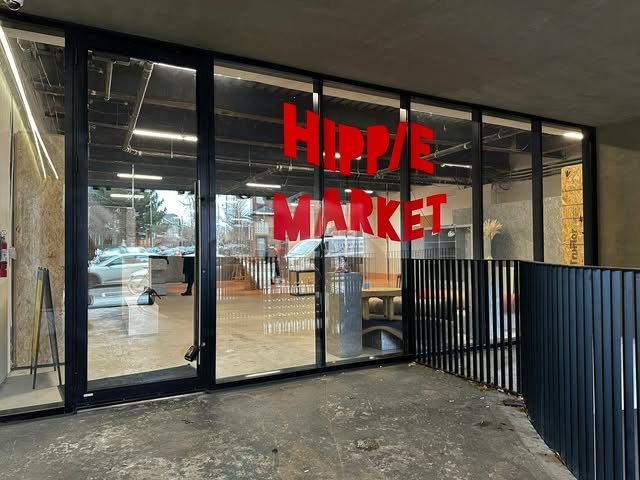
Cut lettering on the glass — the shop name, a wordmark, or a short line of copy readable from the sidewalk. Common when the window is doing the naming job, or when the fascia already carries the name and the glass needs a matching close read.
Logos and decals
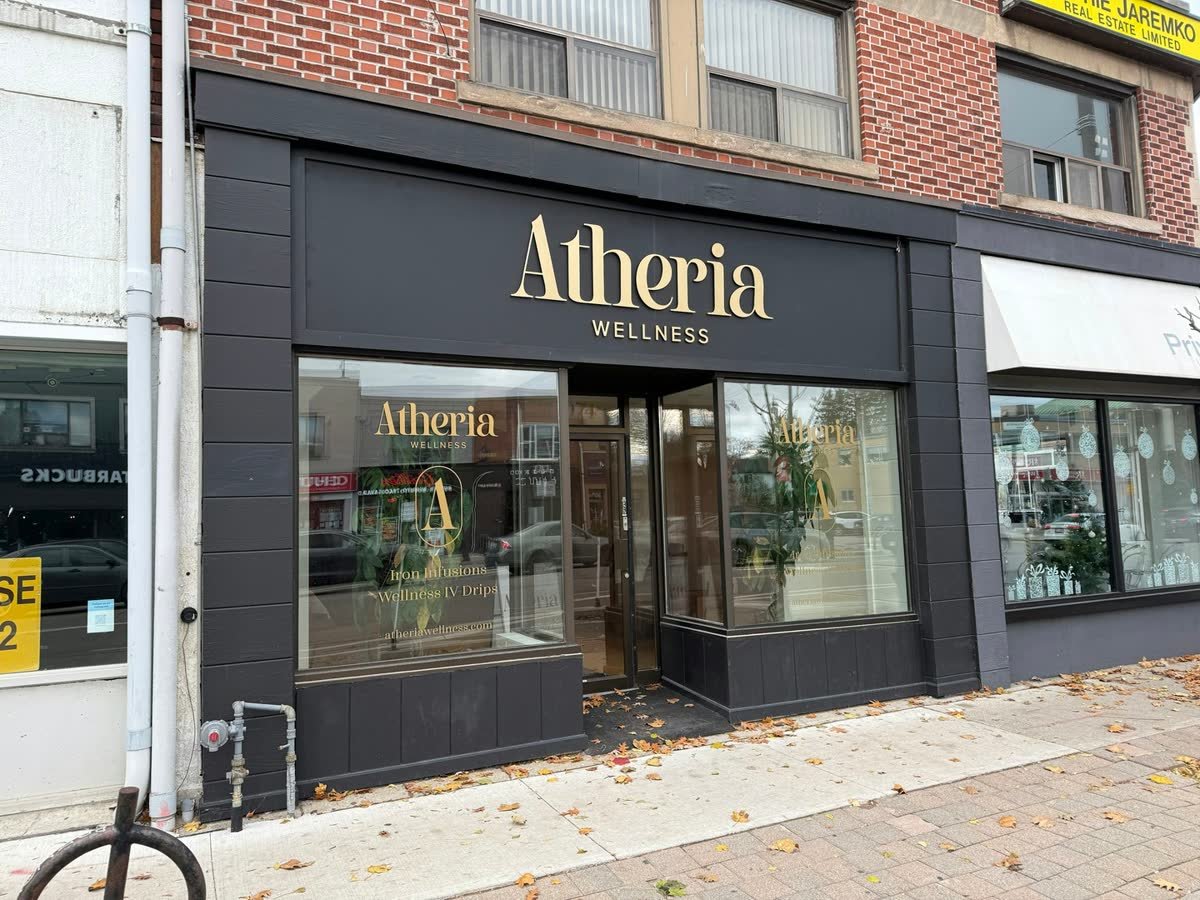
A logo, mark, or smaller decal on the pane. Useful when the name is already on the building and the glass should carry the brand, or when a window needs a mark without covering the view inside.
Printed graphics
Printed vinyl on the glass when the artwork is more than lettering — a fuller graphic, a patterned panel, or colour that cut vinyl alone doesn’t carry. The glass and the artwork decide how much of the pane should stay open.
Frosted and privacy film
Frosted film when the glass needs privacy or a softer look as well as branding. It can sit with lettering or a logo, or cover more of the pane when the view in isn’t the point. Photos of the glass help sort how much should stay clear.
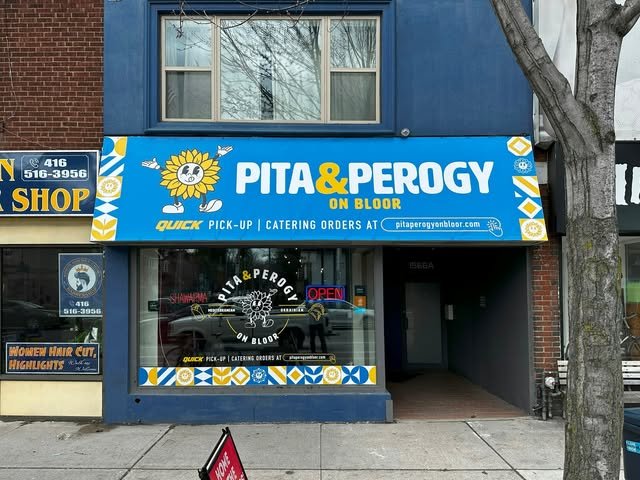
When window graphics pair with storefront, blade, or lighting
Window vinyl rarely does the whole naming job alone.
The fascia carries the name from across the street. A blade sign carries it along the sidewalk. Window graphics hold the name, hours, a logo, or secondary copy on the glass — the read at the door. If the shop needs to stay readable after dark, lighting on the fascia, the blade, or both should be decided with the glass, not after it — see illuminated signs.
That mix shows up on finished Toronto jobs. The gallery has window vinyl paired with a blade on Queen Street West, exterior lettering with window vinyl on a clinic storefront, and window vinyl with an awning reface on Bloor Street. Other panes carry the name on their own — gold lettering across a shop window on Roncesvalles, or large name vinyl on the glass.
Design and site considerations
Good window work starts on the glass, not in a vacuum logo file.
The pane. Scratches, existing film, and how even the glass is all show through vinyl. If old lettering is still up, include it in the photos — a replacement and a first install are different starting points.
Inside or outside. Vinyl can go on the interior of the glass or the exterior. Which side reads better depends on the pane, reflections, and how people see the shop from the sidewalk. Photos from the street and from inside, if you can, help sort that out.
Sightlines. The glass still has to work as a window. Name and hours should read from the sidewalk without covering every view into the shop — unless privacy is the point, in which case frosted film or a fuller graphic is the job.
Landlord and brand rules. Some buildings limit how much of the glass can be covered, which side can take vinyl, or whether brand colours can go on the exterior. If you already have those rules, send them with the photos.
Day readability. Window copy has to read in daylight against whatever is behind the glass — stock, lighting, a bright interior, or a dark room. Contrast and size should match that real view, not only how the logo looks on a white background.
The rest of the storefront. Vinyl on the glass often pairs with fascia lettering so the name still reads from across the street, and with a blade so it still reads along the sidewalk. See illuminated signs if night readability matters too.
Permits
Many simple window graphics — vinyl lettering, logos, and frosted film on glass under tenant control — do not follow the same city permit path as permanent exterior projecting signs or wall-mounted storefront signs.
Some jobs still intersect with building, landlord, or city rules — for example when graphics are part of a larger exterior package, or when the install goes beyond ordinary tenant glass work. When a job requires a city sign permit, Signbox can advise and complete permit paperwork as a service. We won’t imply every decal needs a city permit. For official city information when a permanent exterior sign permit applies — not as the default for ordinary window work — see the City of Toronto first-party sign permit.
What to send for a quote
A finished specification is not required to start.
Helpful in a first message:
- Photos of the glass (straight-on and from the sidewalk)
- Project address
- Logo / artwork
- Exact wording — including hours or other copy that belongs on the pane
- Opening date, if there is one
- Whether this is part of a larger storefront (fascia, blade, or lighting)
- Photos of any existing vinyl you hope to replace
- Any landlord or building rules you already know
Email info@signbox.ca, call 519 574 0191, or use the contact form.
Related Signbox services
FAQ
- Do window graphics need a permit in Toronto?
- Often ordinary vinyl or frosted film on tenant glass does not follow the same path as a permanent exterior fascia or blade. Landlord rules still matter. When a city sign permit applies to the job, Signbox can complete that process as a service — we’ll say so when we review the photos and address.
- Can window graphics replace a fascia or blade sign?
- They do a different job. A fascia reads from across the street; a blade reads along the sidewalk. Window graphics are the close read on the glass — the name, hours, logo, or secondary copy people see at the door. Many Toronto storefronts use more than one.
- Do you apply vinyl on the inside or the outside of the glass?
- Either side can be the right answer. It depends on the pane, reflections, how the shop is seen from the sidewalk, and any landlord rules. Photos of the glass — from the street and from inside if you can — are the fastest way to tell.
- Do you do frosted or privacy film?
- Yes. Frosted film is one of the window options when the glass needs privacy or a softer look as well as branding. Photos of the pane help sort how much of the glass should stay clear.
- Do you only work in Toronto?
- Toronto is the focus. Outside jobs are considered case by case when they make sense — we don’t advertise other cities as service areas.
- What files do you need?
- Logo files help. Vector artwork is ideal, but you don’t need finished drawings to start. Photos of the glass matter as much as the logo.
- Where is Signbox?
- 319 Roncesvalles Ave, Toronto. Visits are by appointment only — please request a quote or call to arrange a time.
Send a photo of the glass and what you have in mind. We’ll help sort lettering versus a fuller graphic, how the pane should read from the sidewalk, and what belongs with the rest of the storefront.